
Safeguarding
At UWC Red Cross Nordic, safeguarding is a shared responsibility and a central part of how we live and learn together. We are committed to creating a safe, respectful, and supportive environment where all students can thrive.
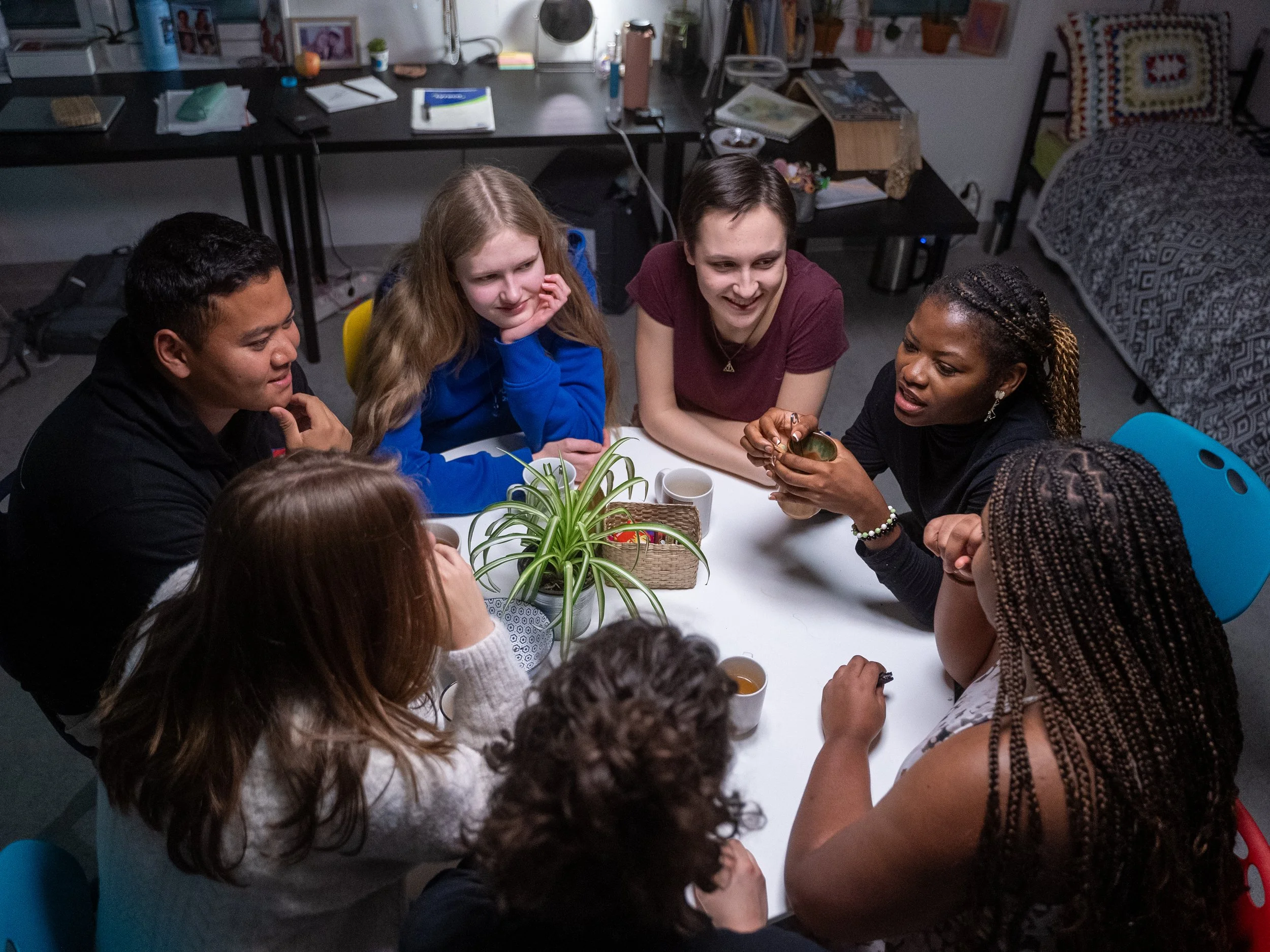
Our approach to safeguarding is based on care and trust. We aim not only to respond to concerns, but also to build a community where students feel confident to speak up, seek support, and look after one another.
Our Health Centre plays an important role in safeguarding and student support. The College Nurse and Wellbeing Counsellor are available for both appointments and drop-in conversations.
Students have access to medical care locally, with doctors in Dale and a hospital in Førde. We also carry out routine health check-ins at the start of the year to ensure that any existing needs are understood and supported.
Speaking Up and Reporting Concerns
We encourage any member of the UWC RCN community to report concerns about safety, wellbeing, or behaviour at any time. This includes experiences of harm, abuse, discrimination, or misconduct. Our priority is always the safety and wellbeing of the individuals involved and the wider community. You can speak directly to a trusted adult in the community, or contact our safeguarding team:
Designated Safeguarding Lead: Ainhoa Orensanz
Deputy Designated Safeguarding Lead: David Ouma
There is also a UWC RCN Board-Nominated Representative for Safeguarding: Jens Petersen
Concerns can also be reported confidentially through our online platform, Safeguarding24
If you are not directly affiliated with UWC RCN or prefer to talk to another UWC entity, you can contact the Safeguarding Officer of UWC International: https://uwc.org/life-at-uwc/safeguarding/
For more information about UWC International's reporting mechanisms, please visit the UWC International website. For details about safeguarding at UWC Red Cross Nordic, refer to the Community Safeguarding Handbook.

Designated Safeguarding Lead:
Ainhoa Orensanz

Deputy Safeguarding Lead:
David Ouma

Levels of support
House Leaders: Each House Leader cares for around 40 students, ensuring their safety and well-being. They provide emotional support and guidance, acting in loco parentis (as a parent). House Leaders receive training in Mental Health First Aid and conflict resolution.
Advisors: Every student is paired with an Advisor, who offers academic support, serves as a confidante and maintain regular contact with students.
Roommates: Students share rooms with four others, fostering a sense of community. By supporting one another, they create a caring environment and establish room agreements to ensure everyone’s needs are met.
Health Services: The Head of Health Services oversees student health. The College Nurse is available during office hours for drop-in consultations, while the Head of Wellbeing coordinates psychological support and training. Access to the national health system is available.
Teachers: Teachers provide academic support and mentorship, helping students address challenges and reach their potential.
Learning Support: Learning Support staff assist students with any learning challenges.
University Counselling: The Senior University Counsellor guides students through college applications, including workshops and personal statements.
Peer Support: Each House has students in roles like House Representatives and First Aiders. House Representatives works closely with the House Leaders, while First Aiders provide immediate help for injuries.
Accessible Geography: The Student Village is designed for easy access to support. House Leaders live close to student residences, ensuring help is nearby at all times.
Emergency Contacts: There is always a staff member on call 24/7 within the student village, ensuring immediate support if needed.