
A UWC education is about much more than the academics in the classrooms. Experiential learning is a foundational approach, focusing on purposeful engagement in direct experiences and structured reflection to increase knowledge, develop skills, clarify values, and strengthen students' capacity to make a positive difference.
All students at UWC Red Cross Nordic have the opportunity to explore their passions and develop the competencies needed to respond to real-world issues. Our extra-academic programme is guided by our educational model.
Co-curricular Programme
The Streams
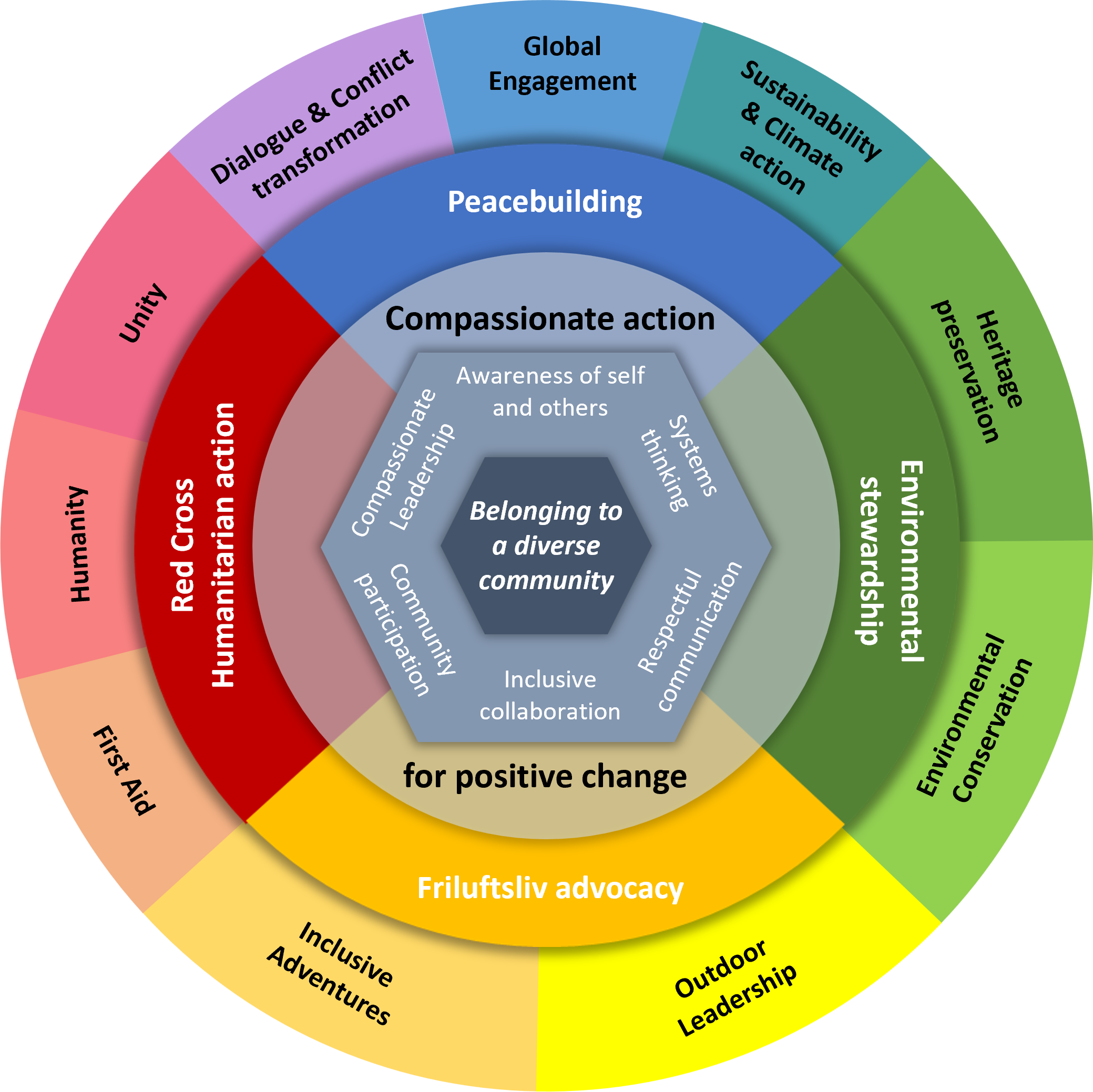
At the beginning of their first term, all students choose a stream. The term 'stream' refers to a two-year training programme at UWC Red Cross Nordic, which uses experiential learning principles to develop the four RCN competencies:
Red Cross - Humanitarian Action
Peacebuilding
Environmental Stewardship
Friluftsliv Advocacy
Our purpose is to enable students to take compassionate action for positive change in the respective competency area in alignment with the UWC mission and values. Through this, students also develop awareness of self and others, systems thinking, respectful communication, inclusive collaboration, community participation, and compassionate leadership. Educators contribute to all three programmes (Academic, Co-curricular and Community Life), creating learning that is purposeful, relational, reflective and transformative.
Activities
At UWC Red Cross Nordic, we offer a dynamic and diverse range of activities, all of which add to the challenge and excitement of a UWC education. These include:
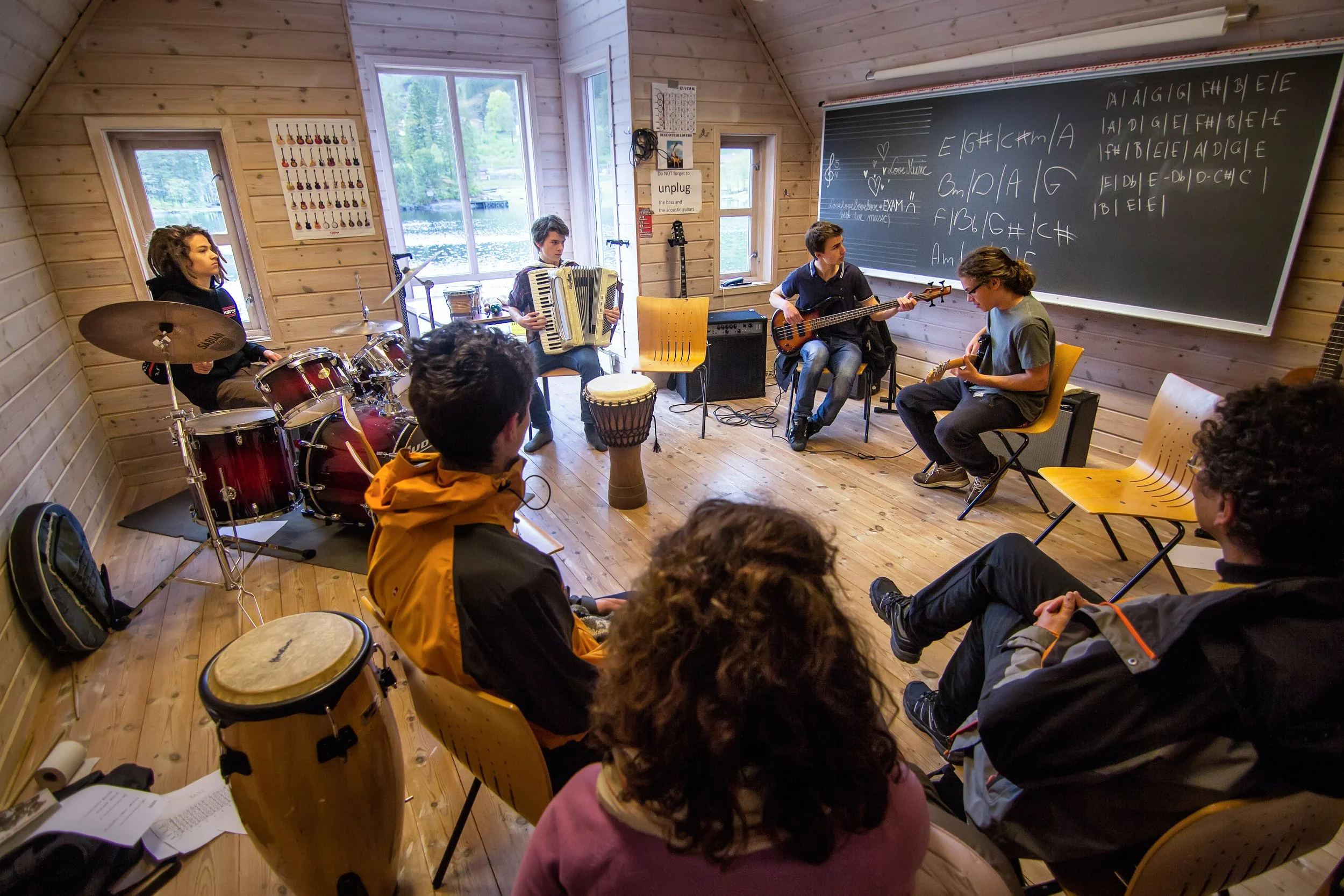
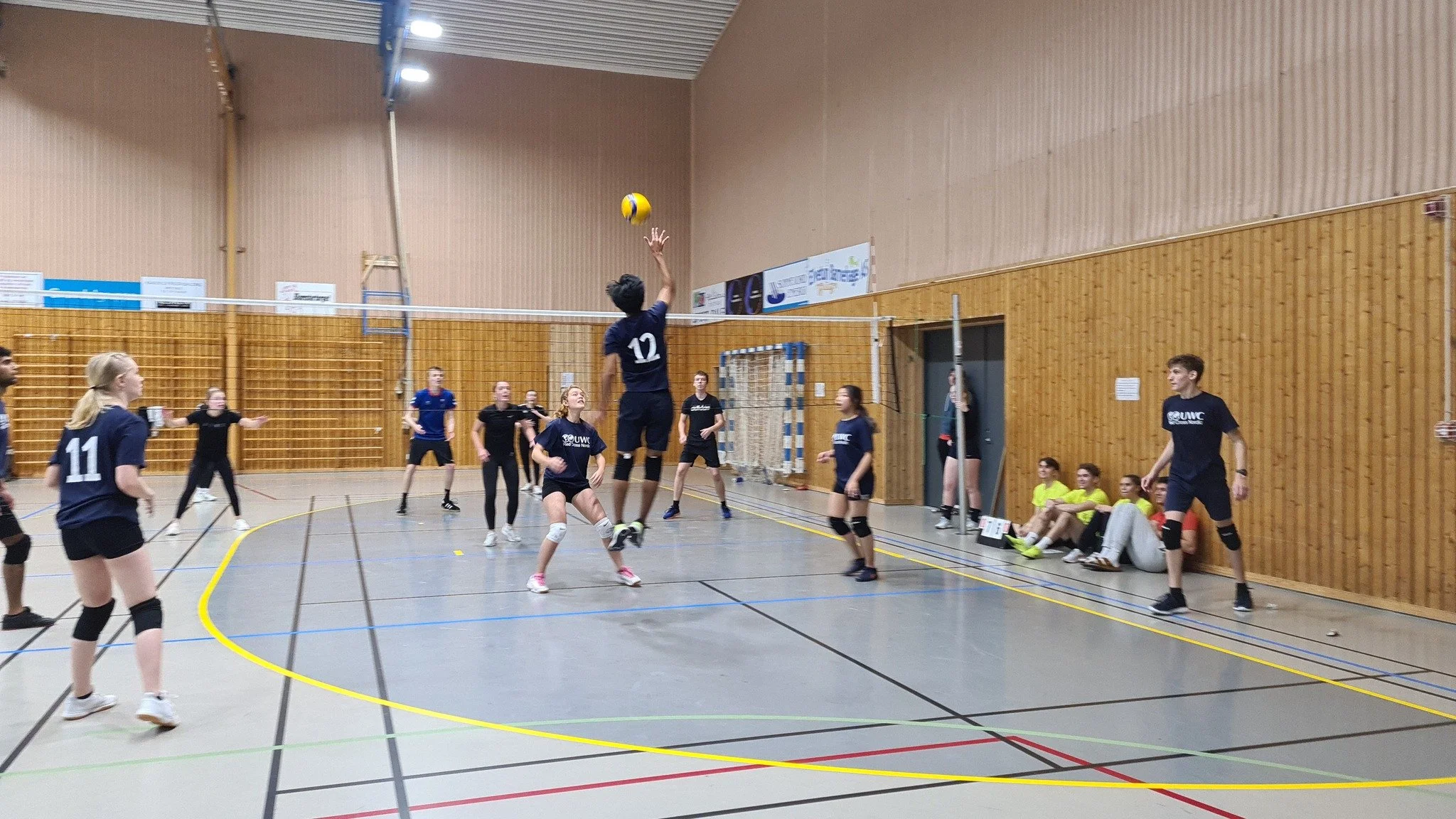
A huge variety of regular co-curricular and extra-curricular activities
Project-based learning programs twice a year
Student-initiated clubs
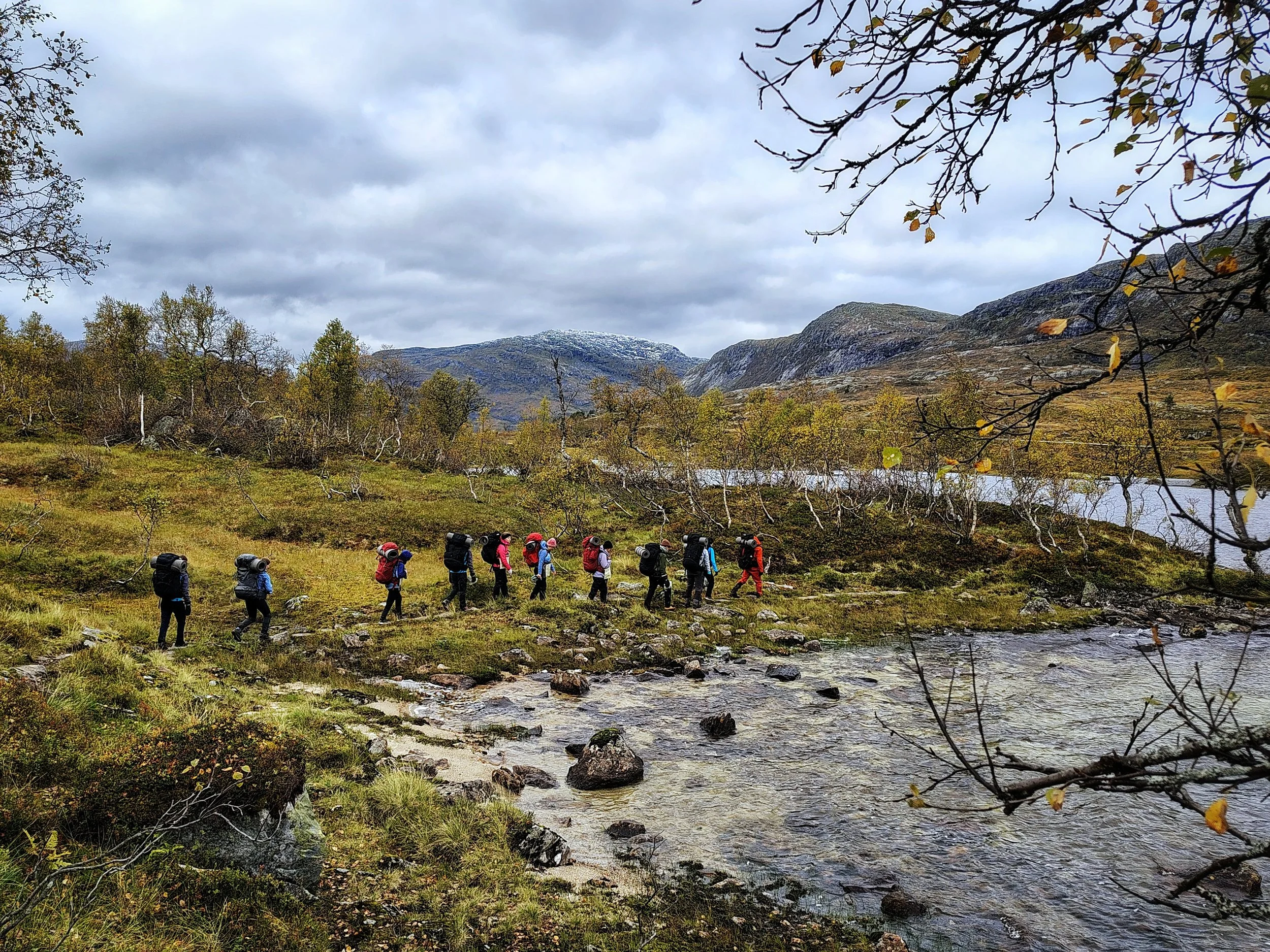
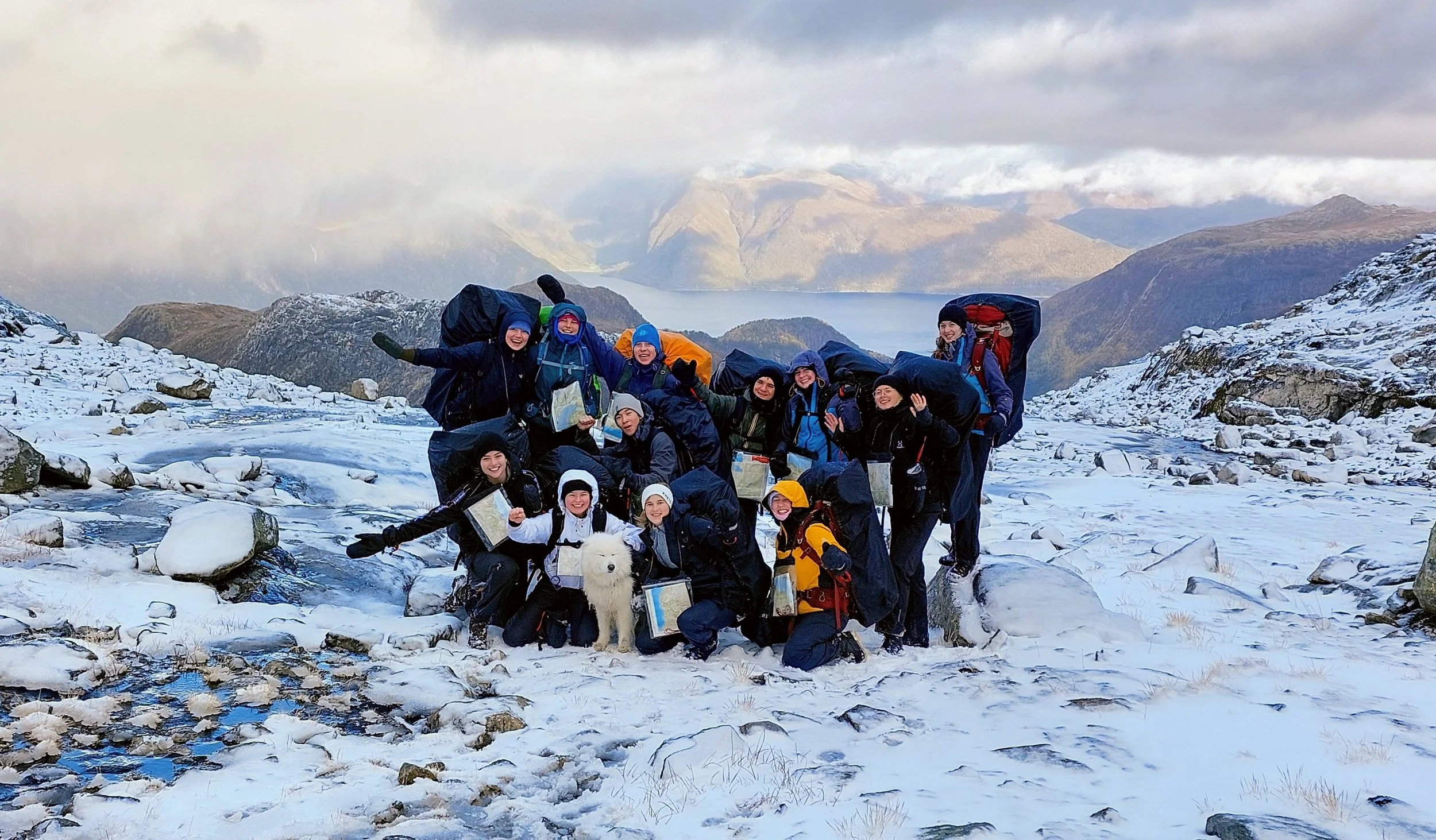
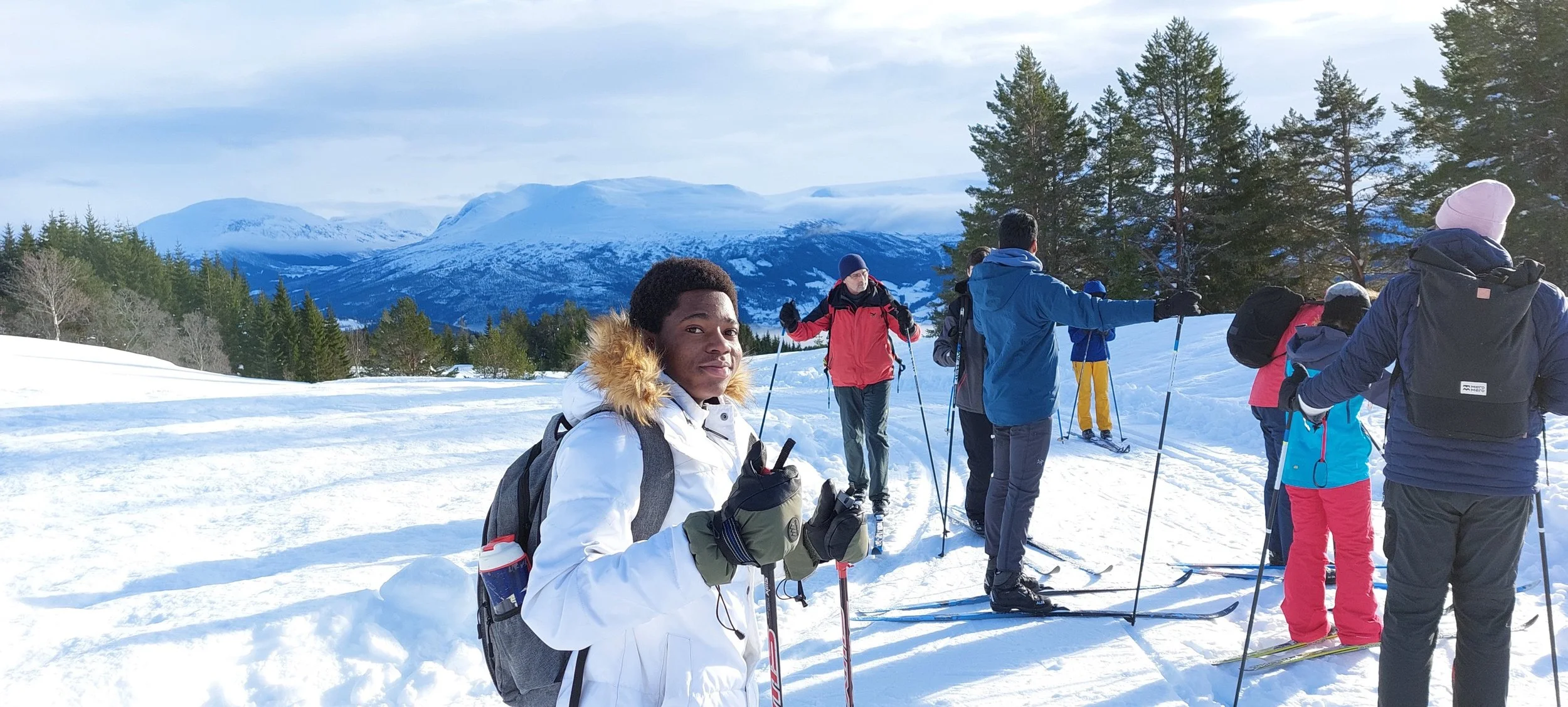
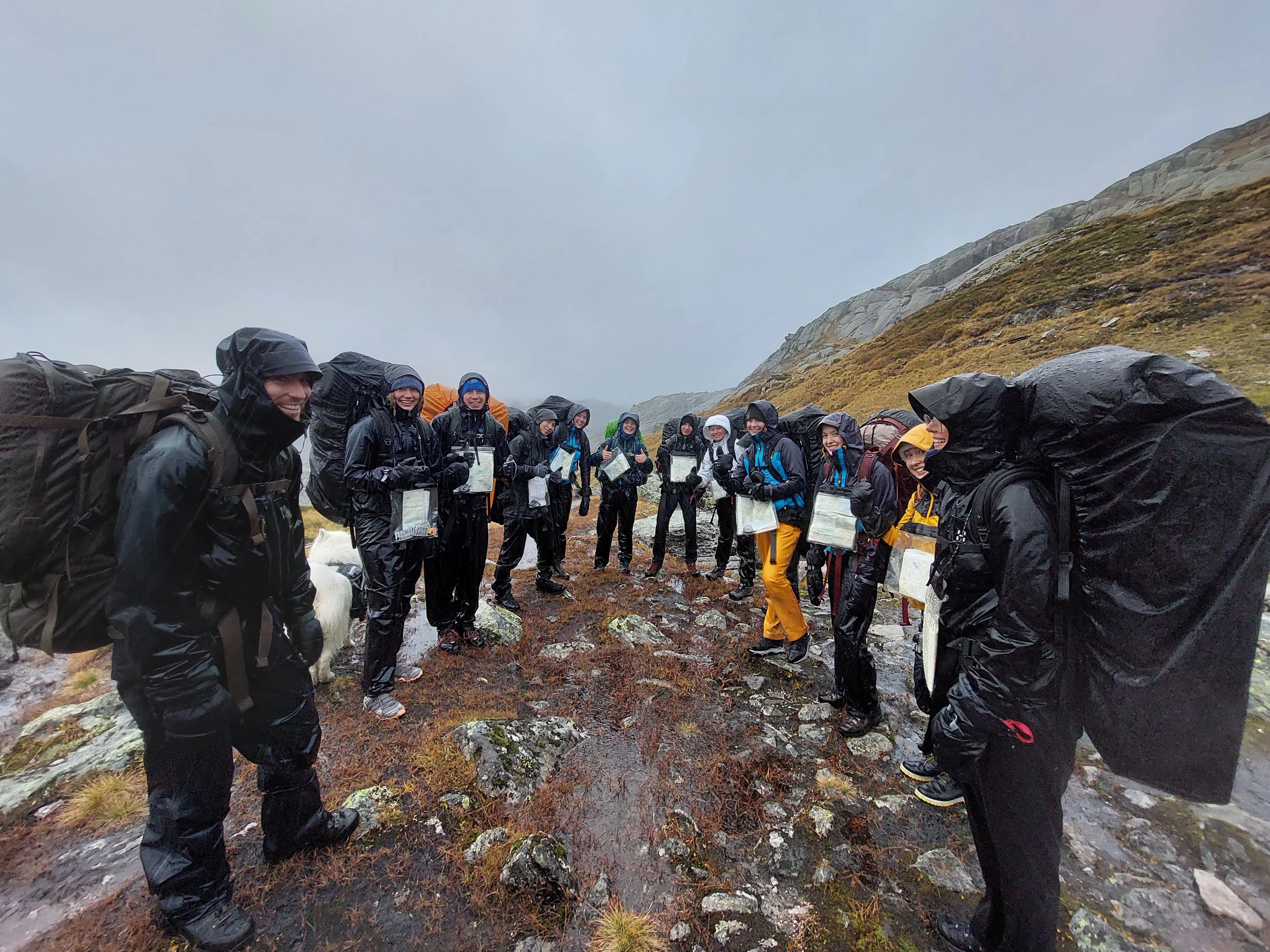
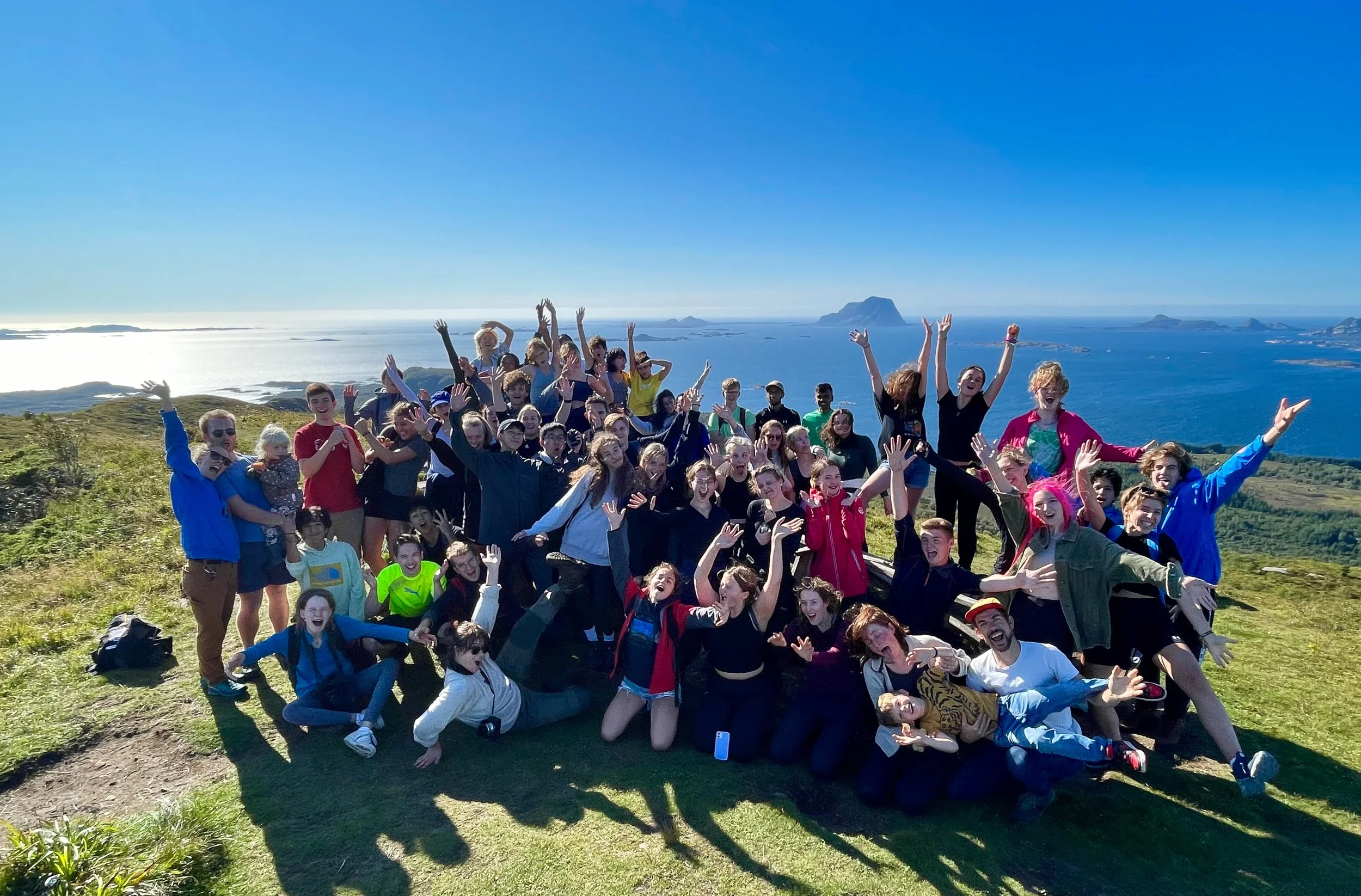
Outdoor adventures
Community engagement and service learning activities
Engagement in student-led project schemes (e.g. Young Aurora, Go Make a Difference, and others)
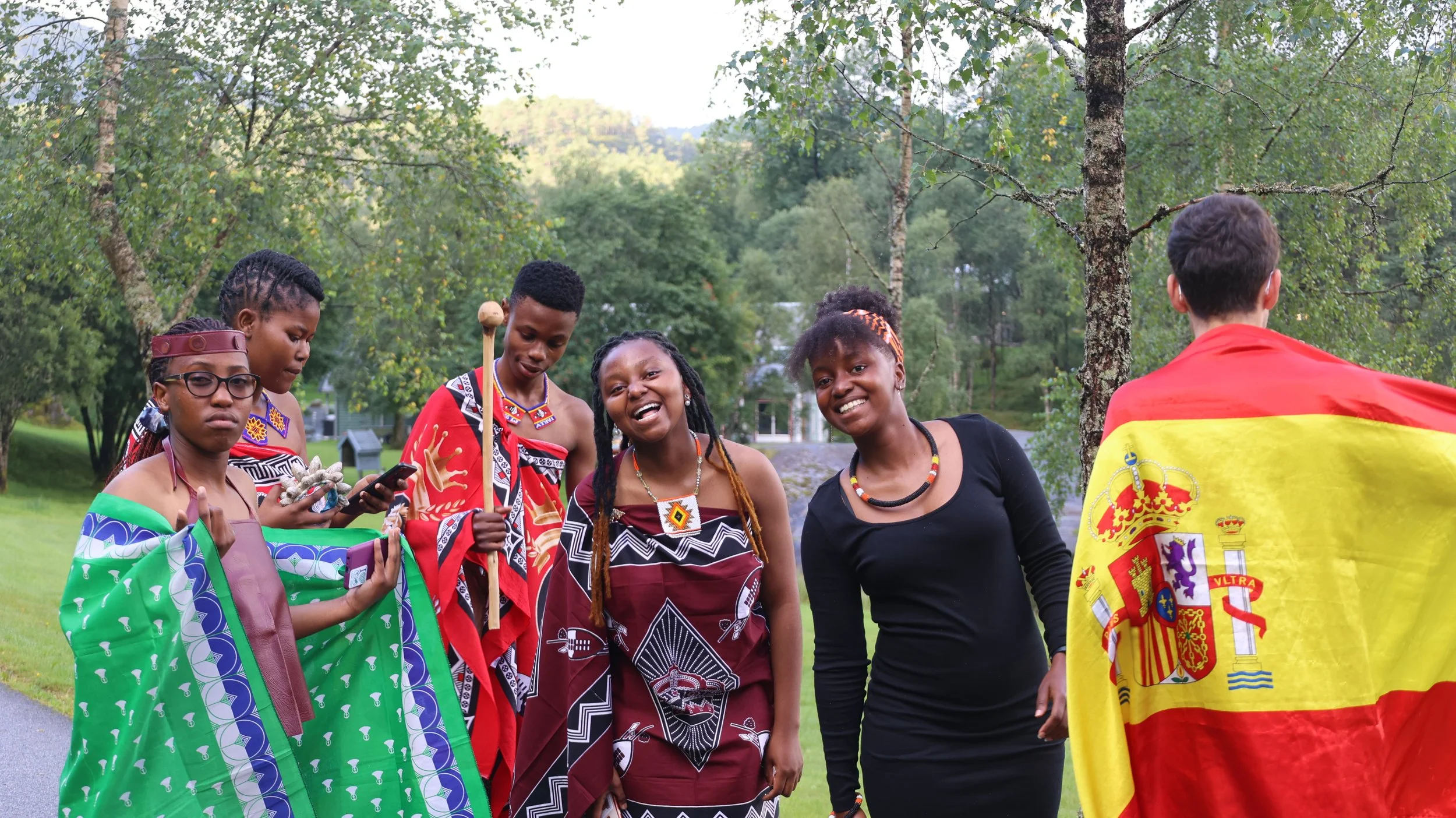
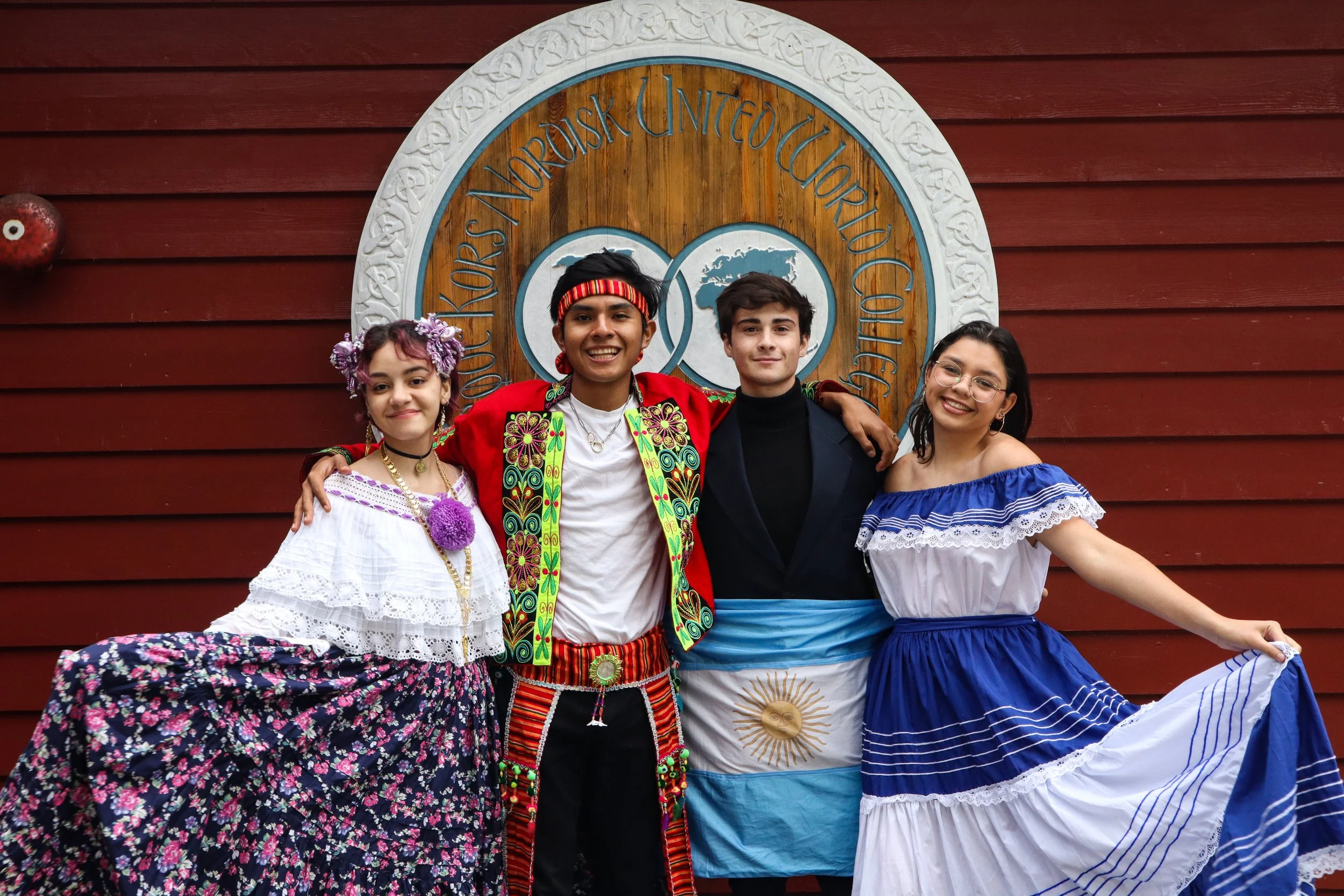
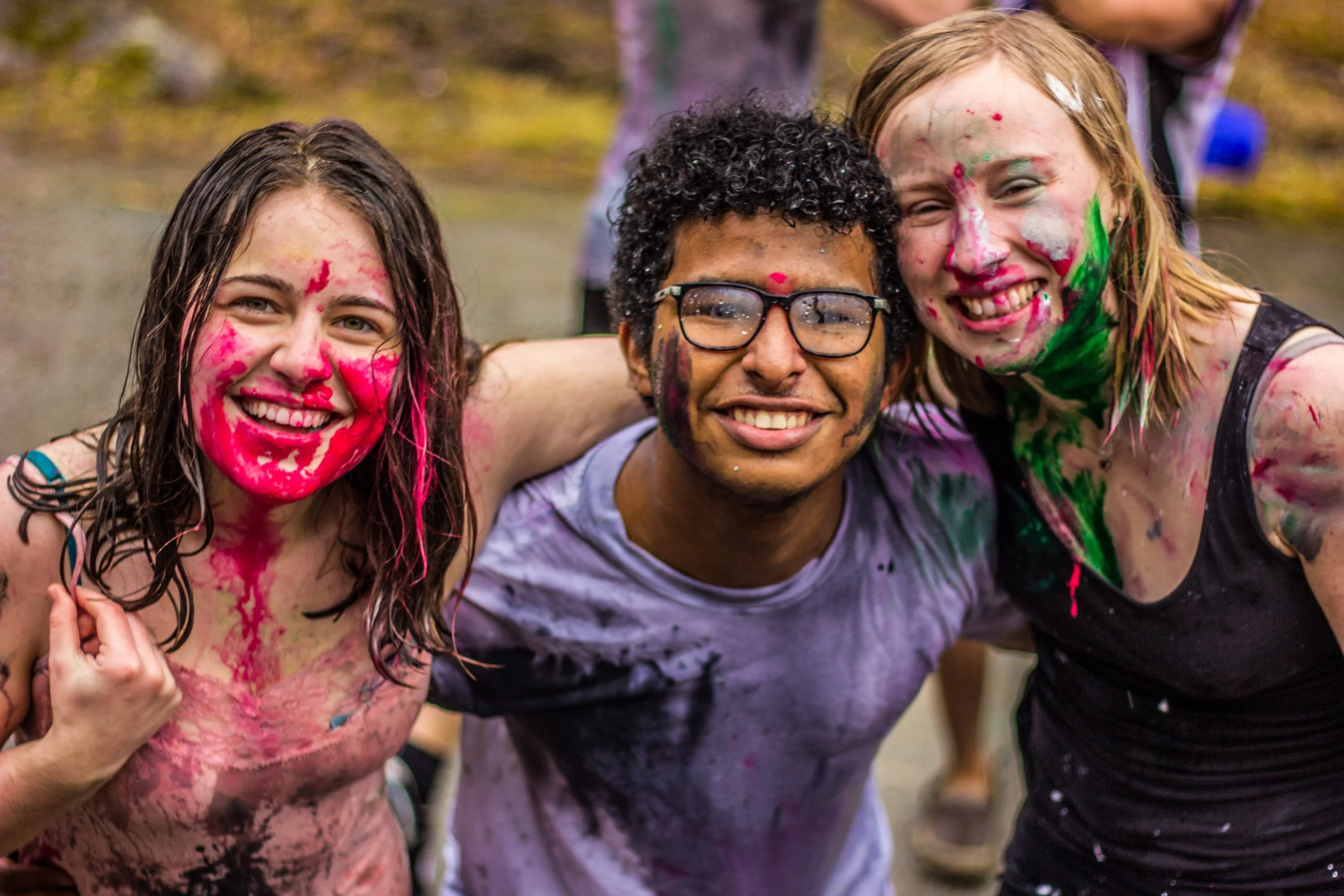
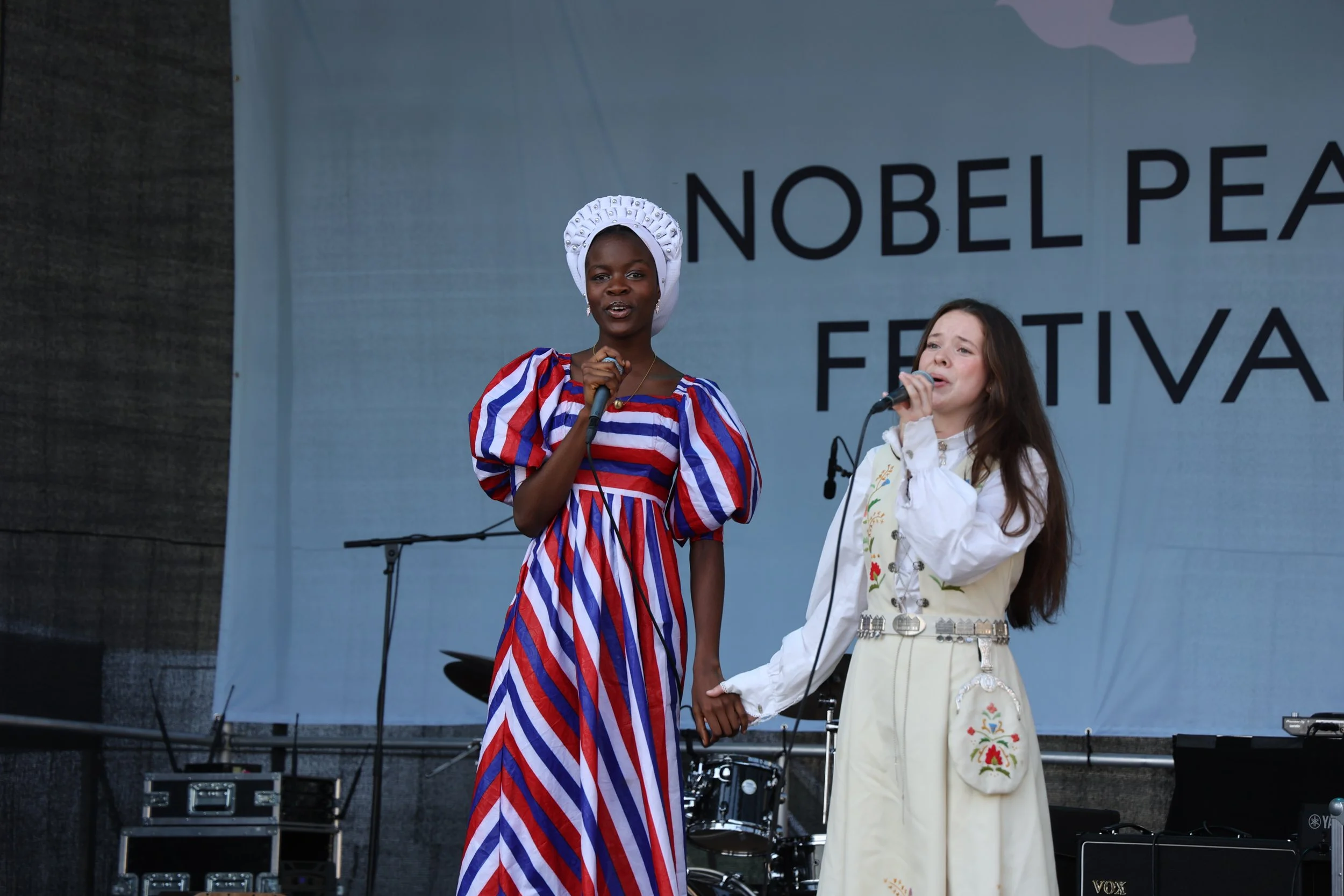
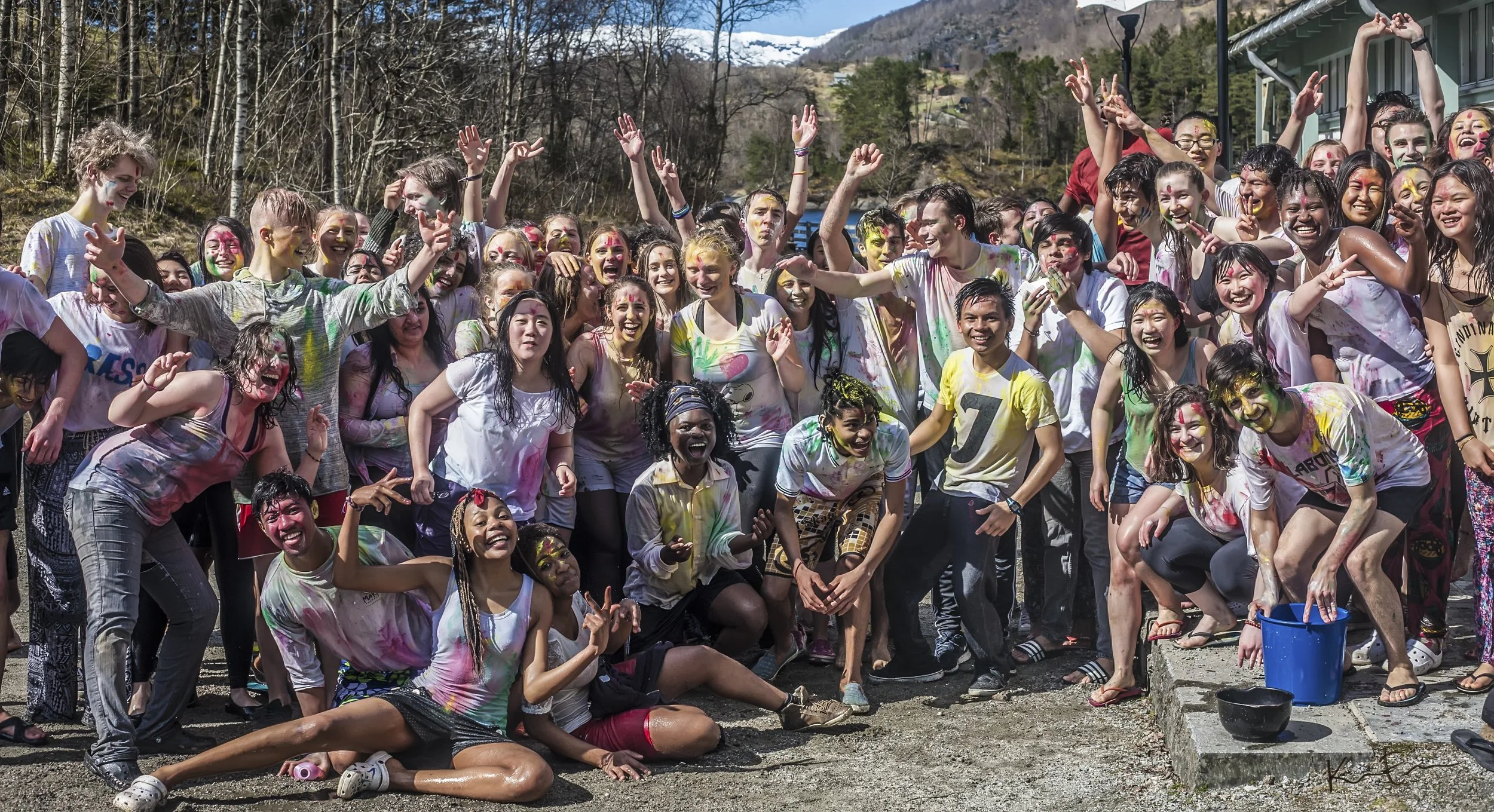
Cultural celebrations and performances
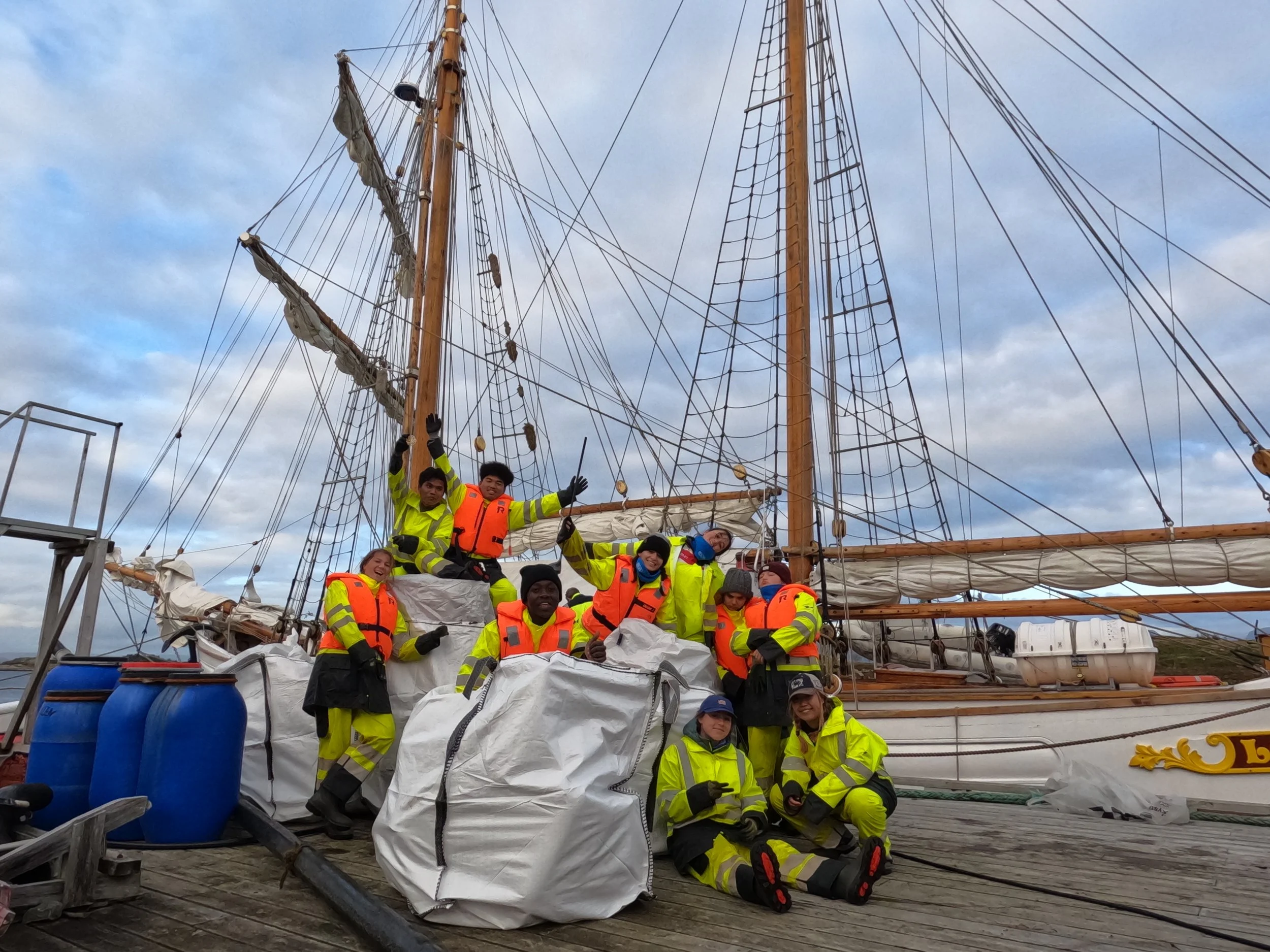
Environmental activities
Guest speakers and cooperation opportunities with partner organisations
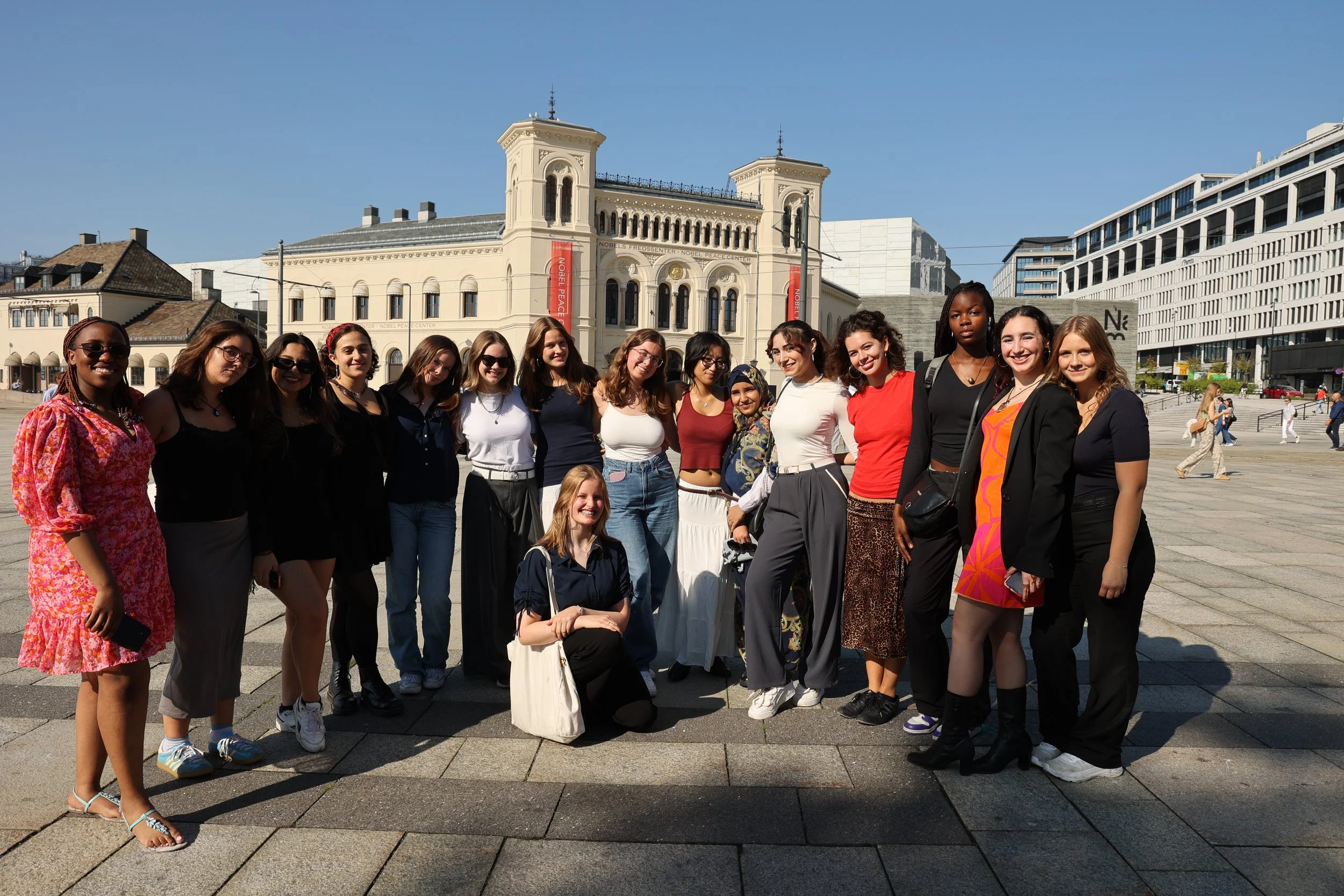
Field trips and excursions
and many more
The co-curricular programme provides a platform, where students can use their competencies in action. We aim to empower our students to take initiative, pose questions, solve problems collaboratively, exhibit curiosity, foster creativity, adapt flexibly, develop organizational and leadership skills, experiment and ultimately construct meaning from their experiences. The activities cover the three aspects of the IB “CAS” (Creativity, Activity and Service) programme.
Project-Based Learning weeks
Outside the regular programmes there are two weeks per year when students participate in special Project-Based Learning (PBL). PBL weeks enable students to plan and explore, pursue a particular interest and learn together.
-
Students joining this stream will learn to respond ethically and effectively to human suffering and injustice. This means combining empathy with informed, principled practice to uphold human rights and support long-term resilience in affected communities.
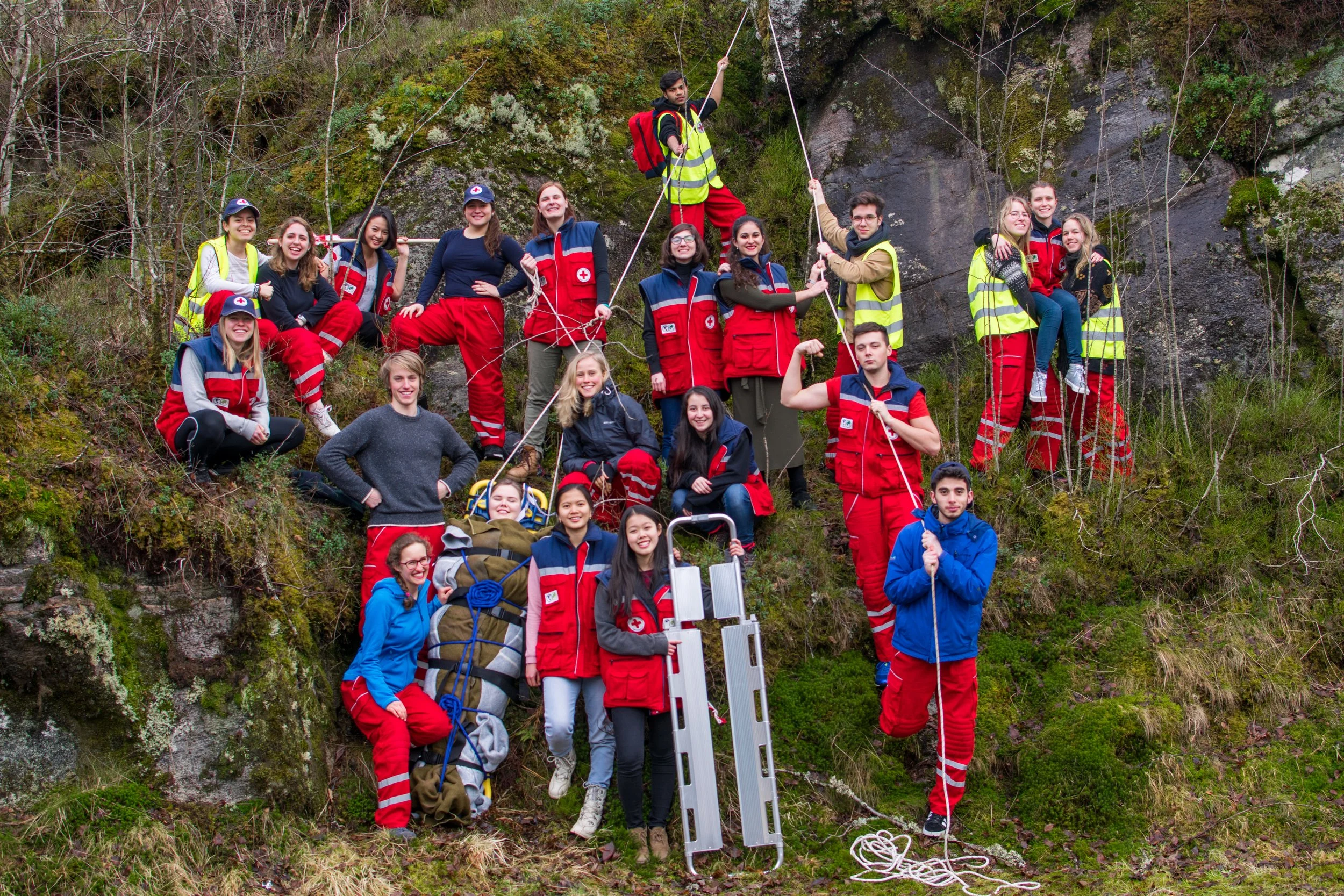
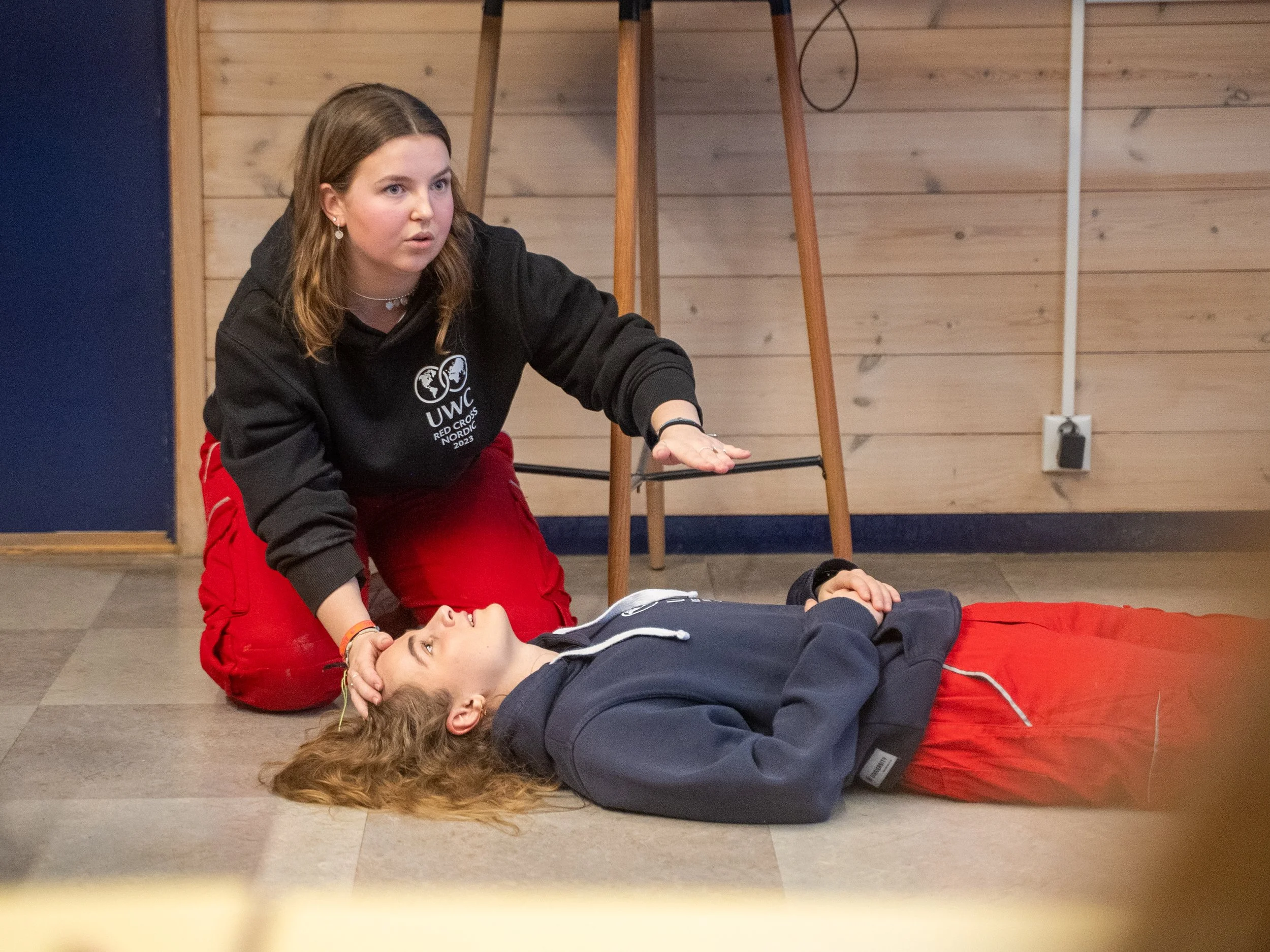
Students will receive training in Red Cross basics, such as crisis preparedness, community-building work, street mediation and key Red Cross communication skills, and they can specialise in one of the following areas:
First Aid - emergency response
Humanity - inclusive programmes
Unity - mediation and support
-
Students joining the Peacebuilding stream will learn to build inclusive, just and non-violent relationships at personal, community, global and environmental levels. This includes learning to recognise power dynamics, embrace diversity, practise respectful dialogue and collaboration, and take principled action grounded in empathy and realism to transform conflict and promote equity, dignity and environmental sustainability.
Within Peacebuilding, students can narrow their focus to one of the following areas:
Dialogue and conflict transformation
Global engagement
Sustainability and climate action
-
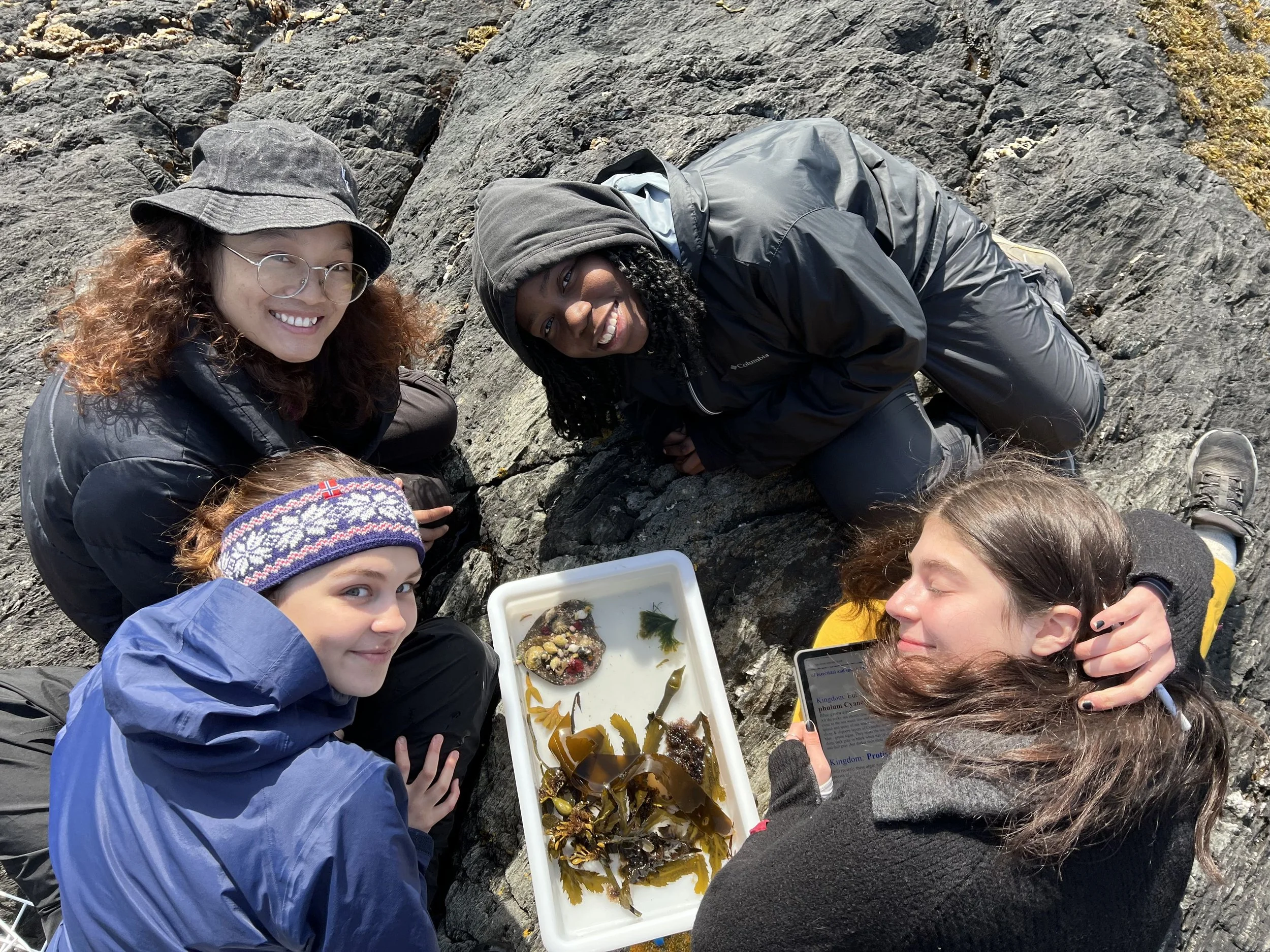
Students joining the Environmental stream will learn to inspire understanding, appreciation and care for natural and cultural environments. This means learning about local ecosystems and global challenges, valuing and engaging with cultural heritage and various knowledge systems, and acting ethically and proactively to protect, restore and live sustainably.
Within Environmental stewardship, students can narrow their focus to one of the following areas:
Sustainability and climate action
Heritage preservation
Environmental conservation
-
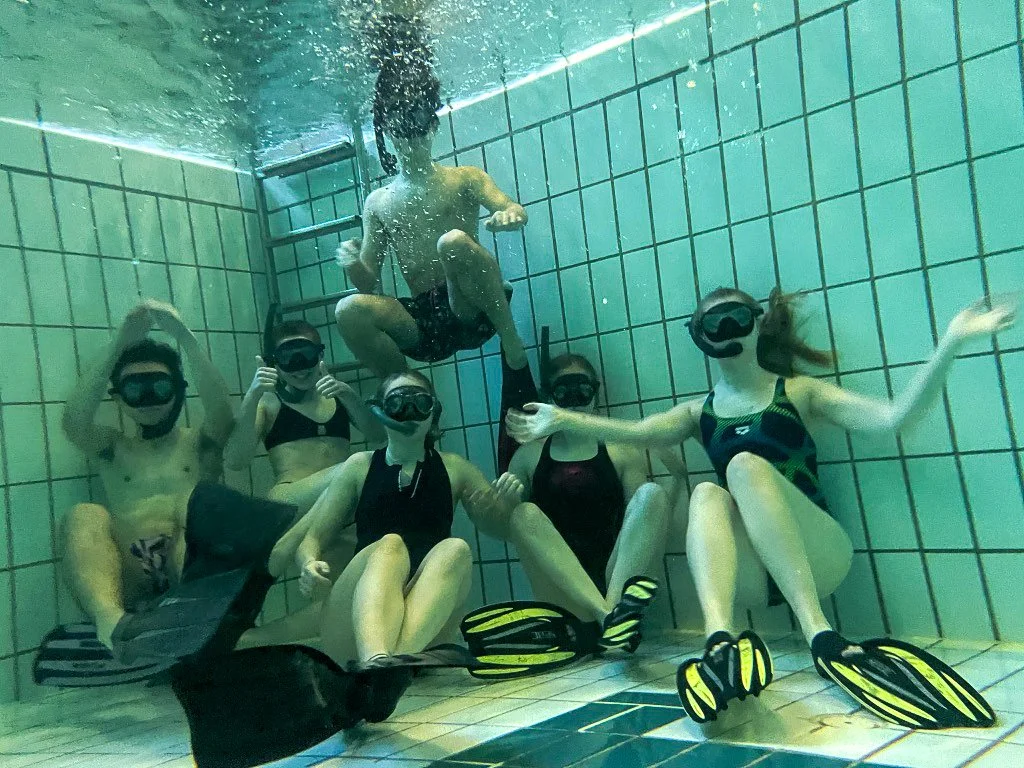
Students joining the Friluftsliv stream will learn to engage with, promote and protect the Nordic tradition of Friluftsliv (open-air life). This means learning to experience the outdoors safely and inclusively, fostering resilience and intercultural connection through nature, and advocating for free access to nature as a shared good.
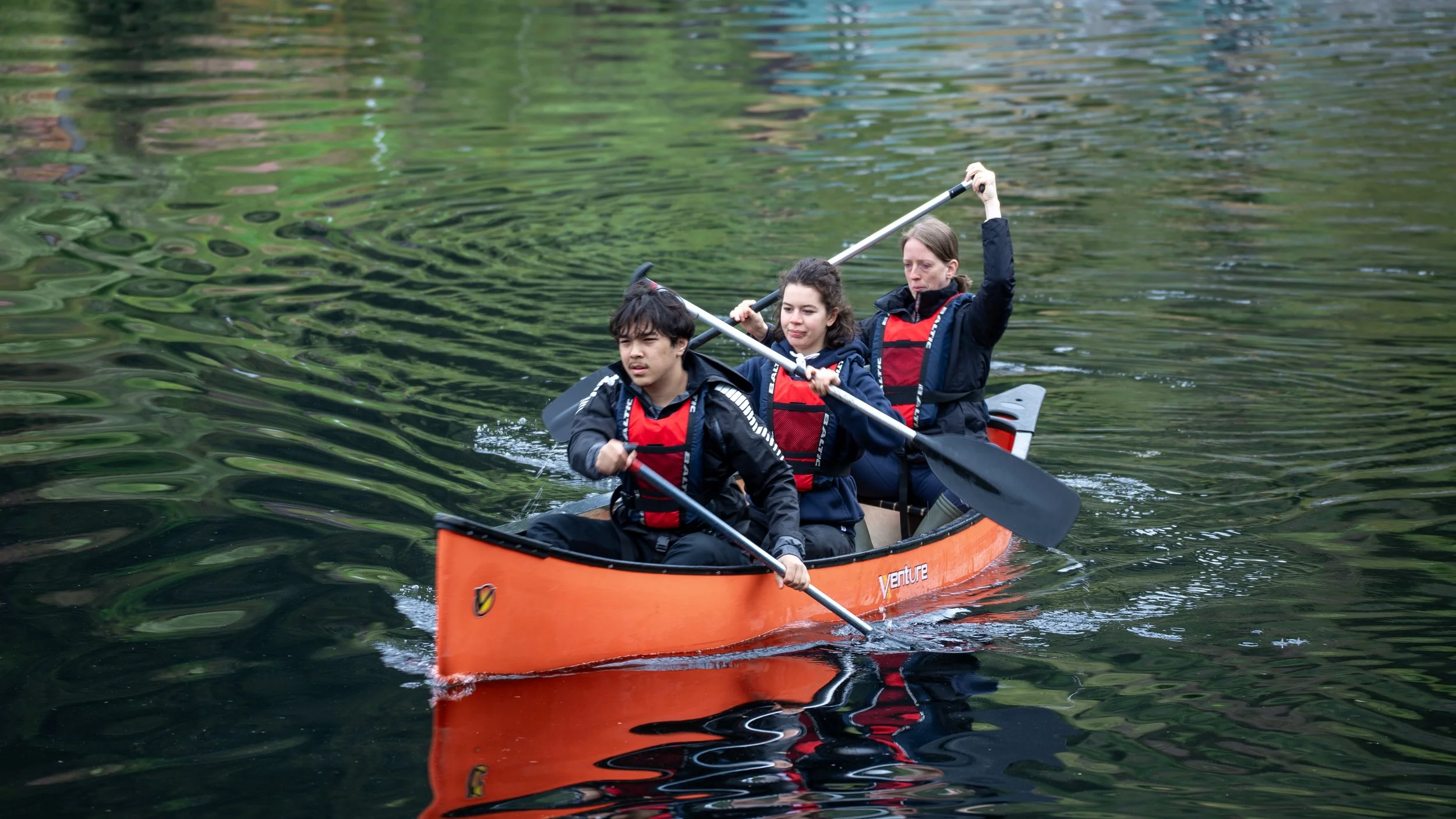
Students will receive training in outdoor basics, such as planning and preparation, Allemannsretten, risk management, and the basics of navigation, and they can specialise in one of the following areas:
Outdoor leadership (land-based / water-based / climbing)
Inclusive adventures
Friluftsliv / Outdoor life
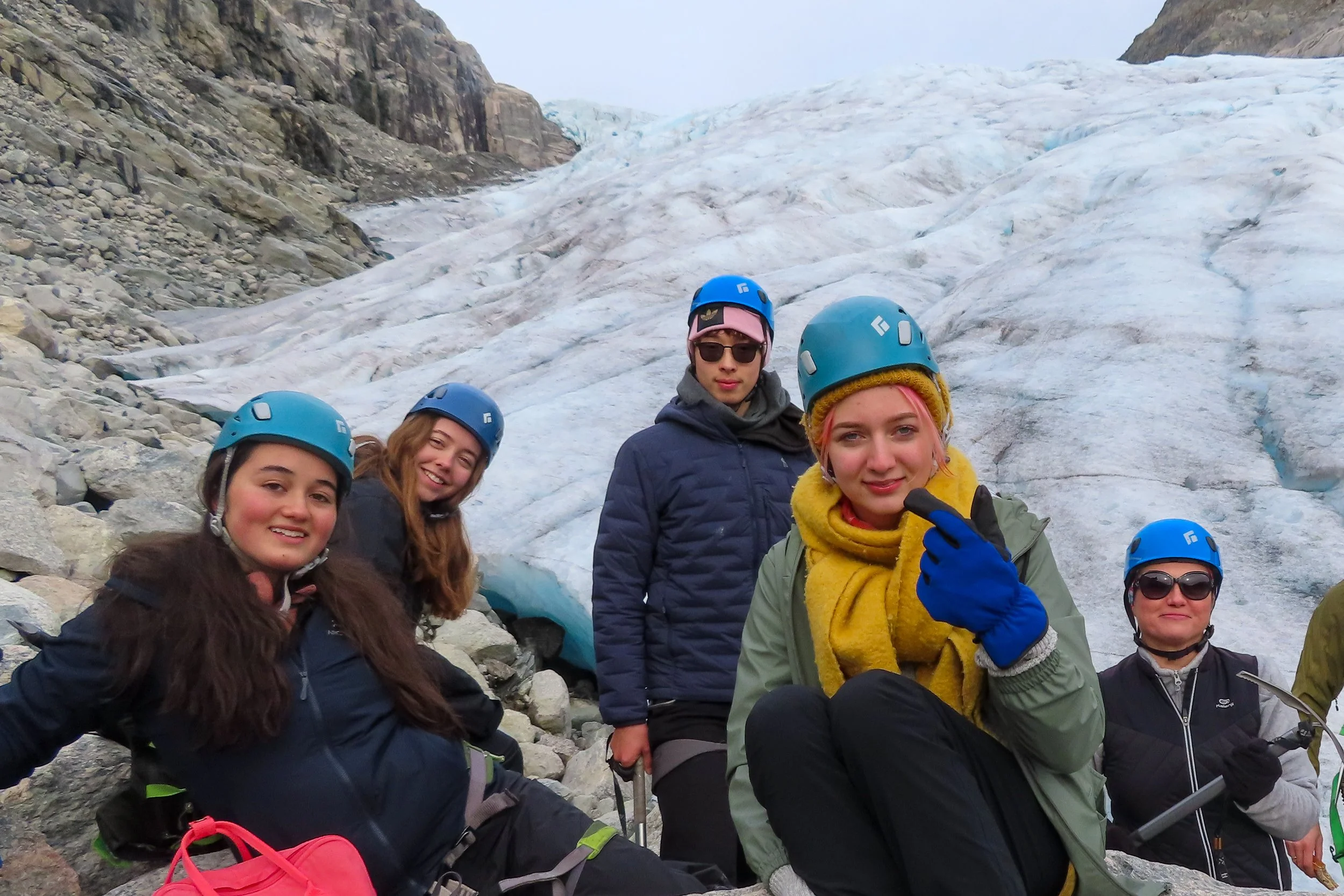
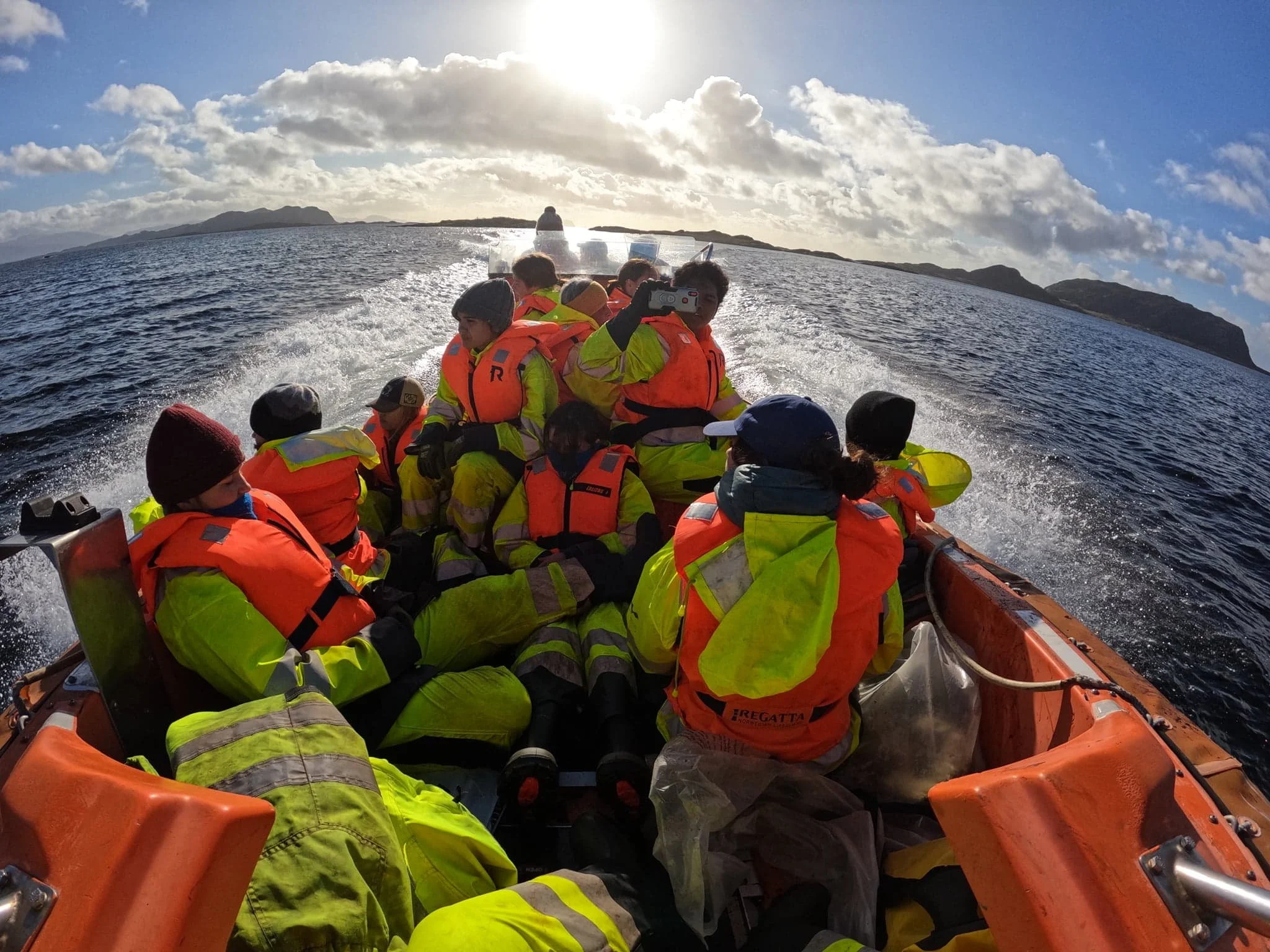
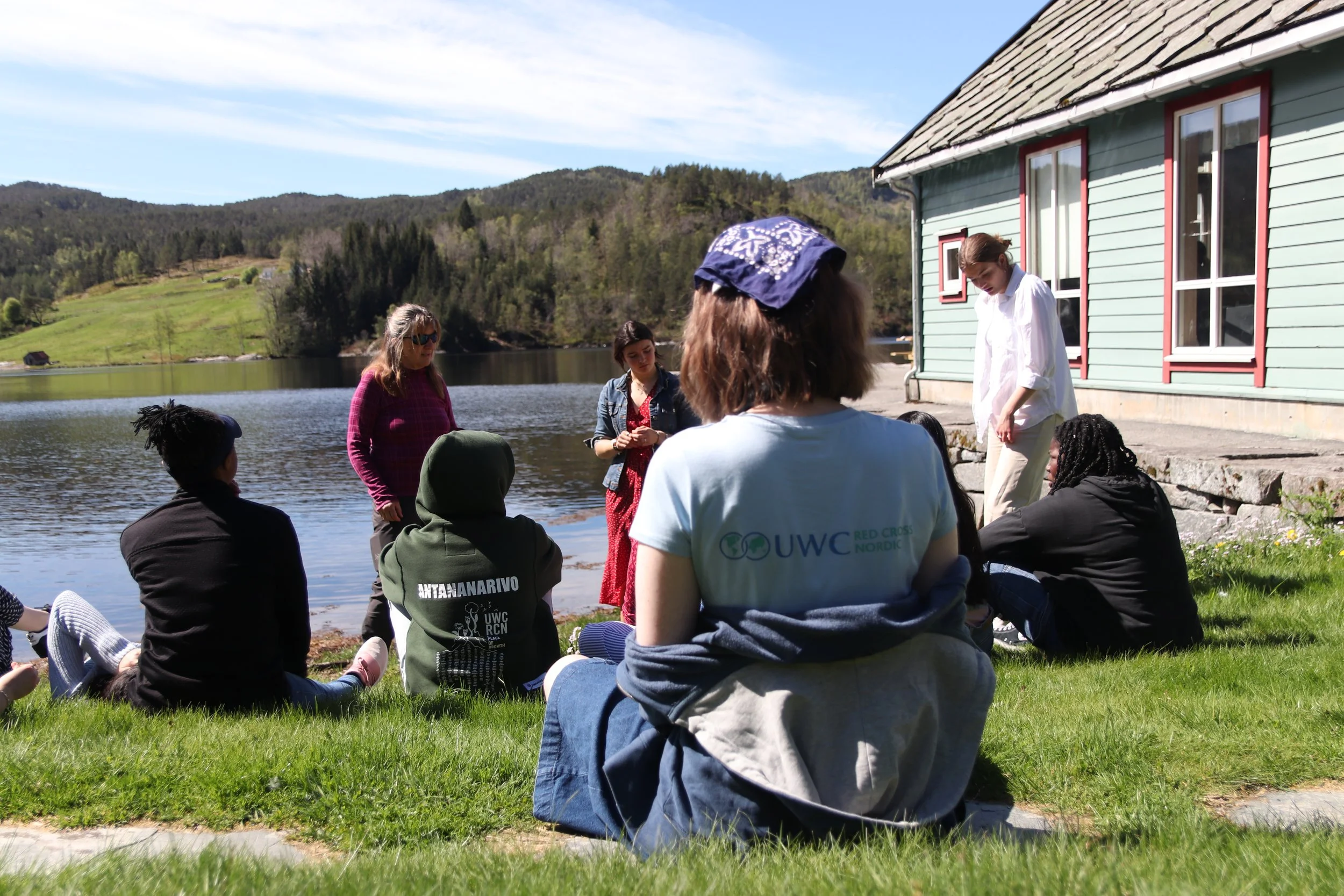
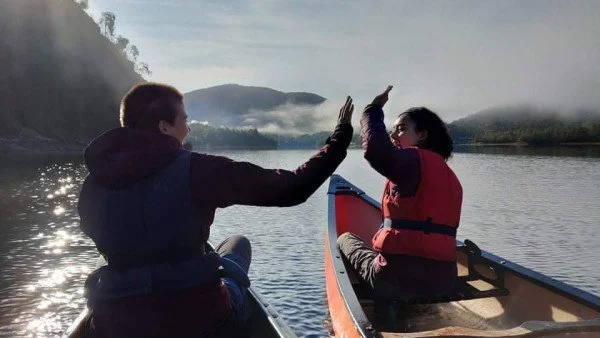
Located by the fjord and surrounded by mountains and nature, Friluftsliv is an integral part of life at UWC Red Cross Nordic. We believe that what is loved and cherished will be protected and nurtured. Therefore, we strive to inspire and enable all our students to build a genuine relationship with nature. By teaching Friluftsliv at UWC Red Cross Nordic, we also encourage our students to stay physically active throughout their time at the school and, more importantly, throughout their lives.